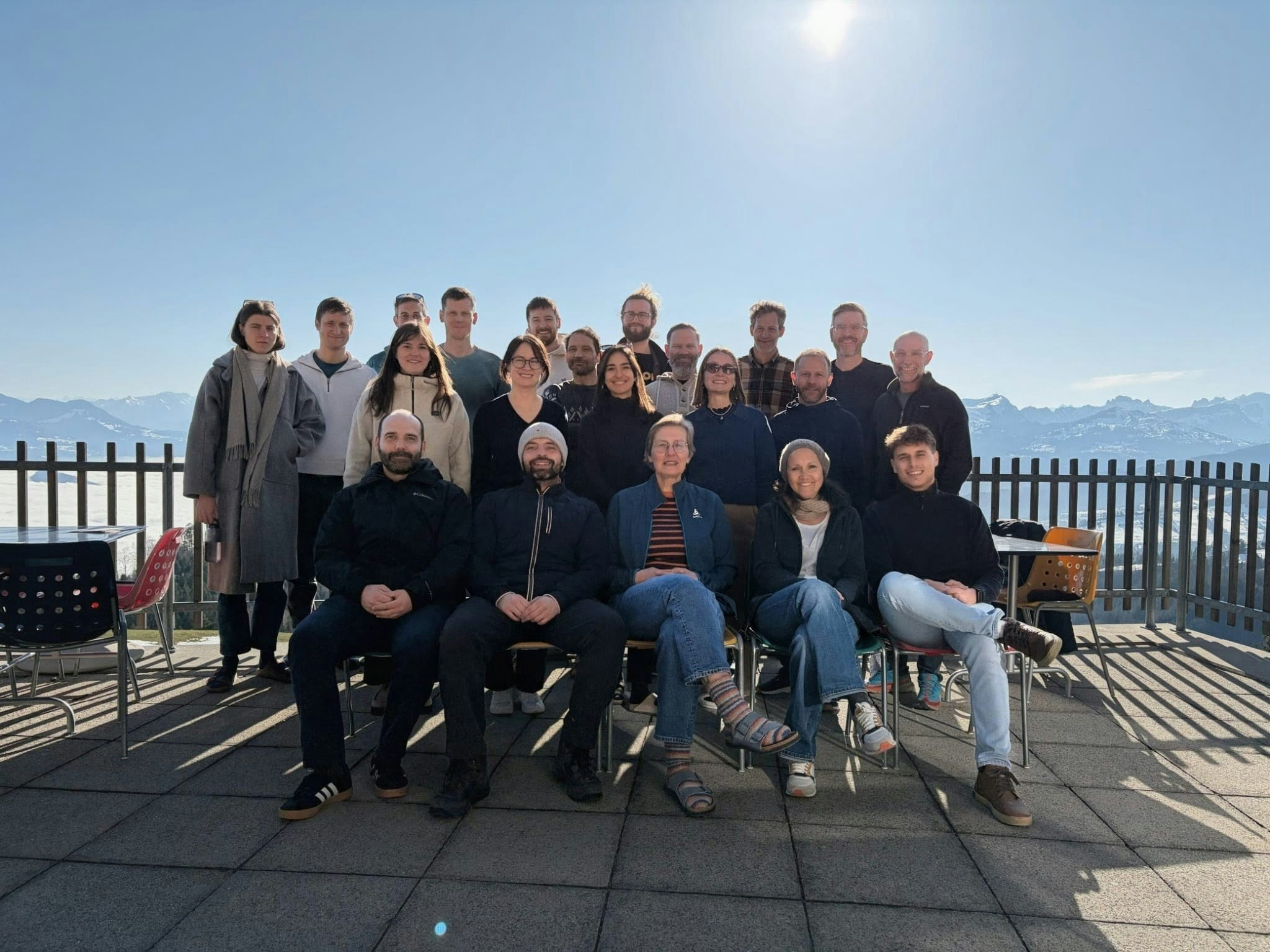
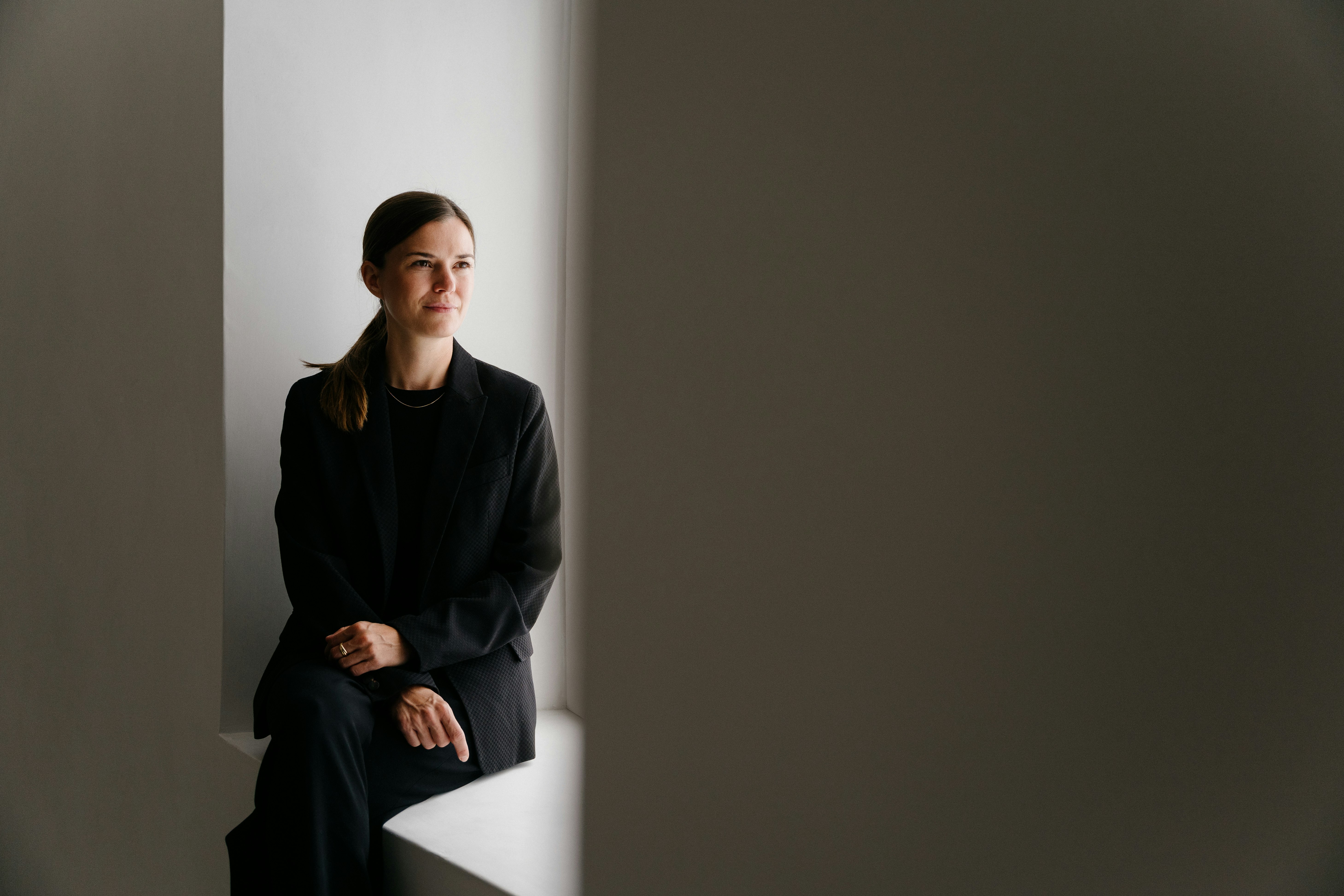
Sometimes you need a different environment to discover yourself.


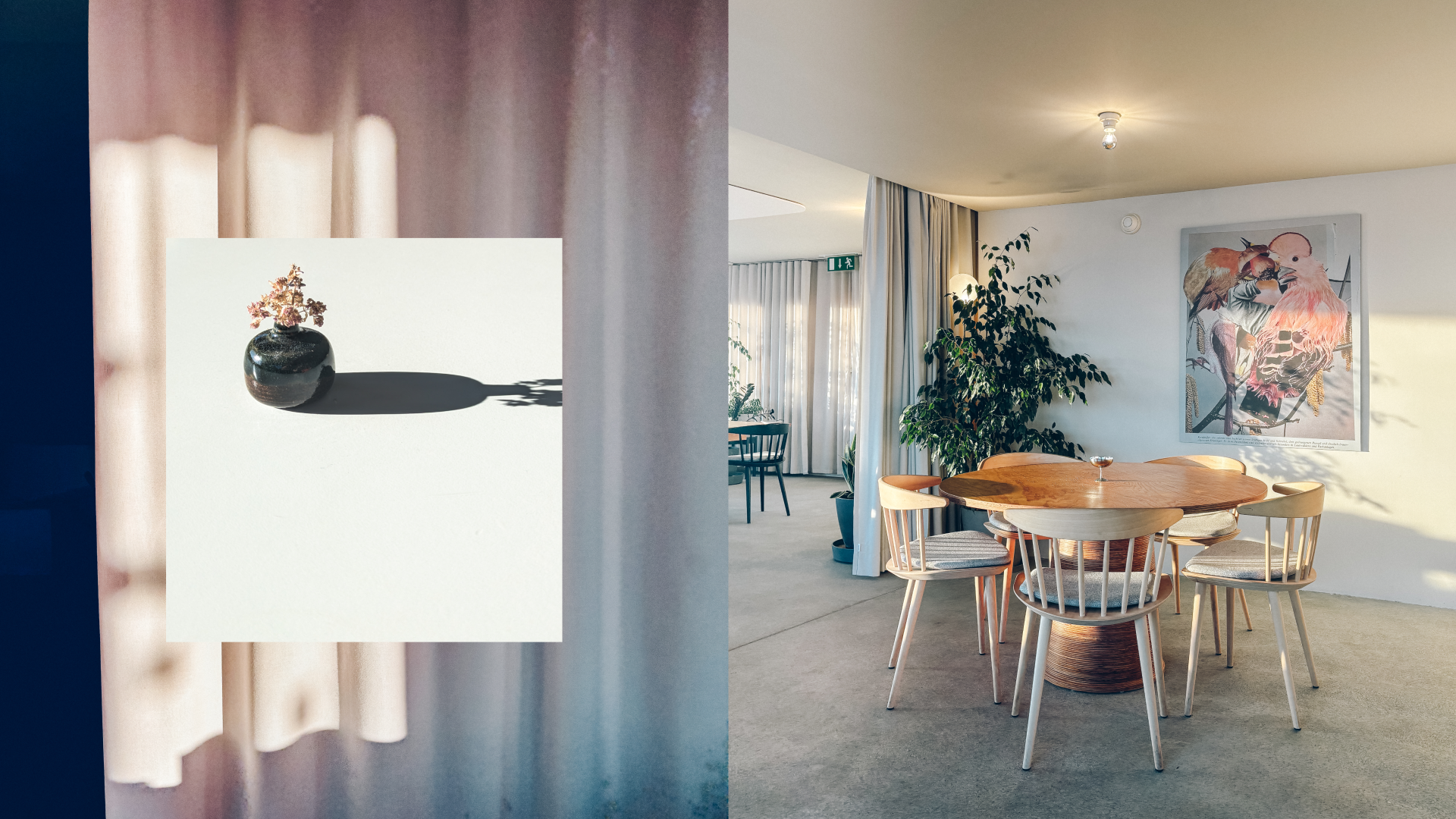
Offsite is not a change of location. Offsite does not mean moving away from the core. Offsite is an attitude. A conscious step into an intermediate space – between everyday life and orientation, between the individual and the collective. To be open to what stands between us.
We, 22 people from the Uster and Zurich locations (foryouandyourcustomers AG Switzerland), have opened up this space: without a fixed program, driven by a willingness to listen, question, and think ahead together.


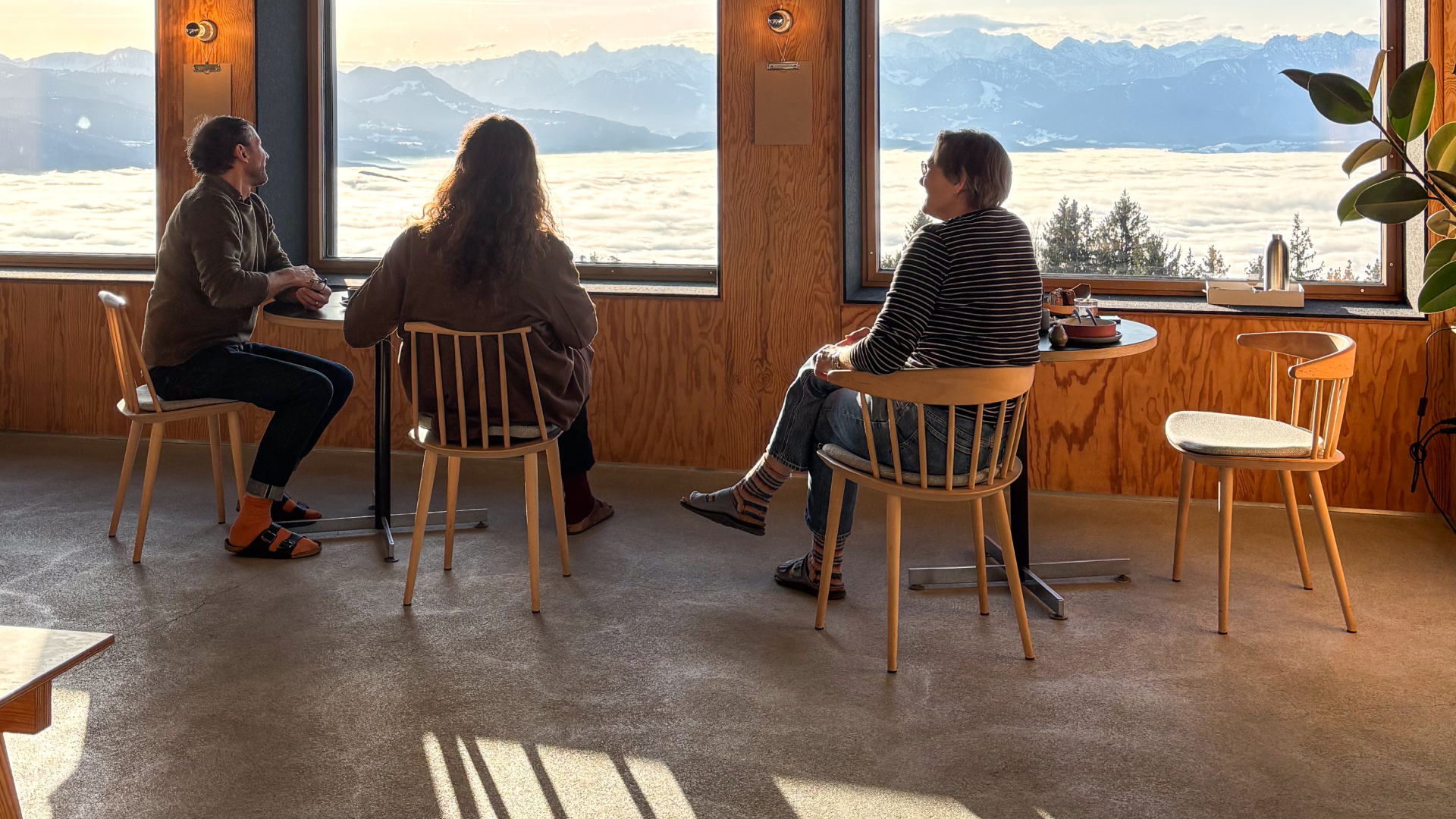
We spent three days at the Alpenhof in Appenzell — a place for temporary use. The Alpenhof describes itself as “a temporary home. For feasting, reading, hiking, thinking, resting, working, walking, being. For meeting friends, gathering inspiration, or simply doing nothing.” And that's exactly how it felt.
This place is not just a hotel or meeting room: it is a place that combines a workspace, library, meeting place, and retreat all in one. Spaces that are in between and open for use.
Everything is already there.
What defines the Alpenhof is what made it right for us. Not everything has to be finished. Not everything has a clear answer. There are (interstitial) spaces that we can explore, understand, and use—in work, design, data, culture, and collaboration. Here, it became apparent how the interstitial space itself becomes an attitude—not just as a physical place, but as a working principle.
Everything is already there anyway. The spaces. The people. And the meaning? That comes from doing. This applies to places like the Alpenhof – and to our work with organizations. Because we, too, work with what is already there: existing structures, organizations, systems. We don't start from scratch. We make visible what is already there. We develop what wants to grow.
The Alpenhof is not finished. It comes to life through use. This attitude carried our offsite.

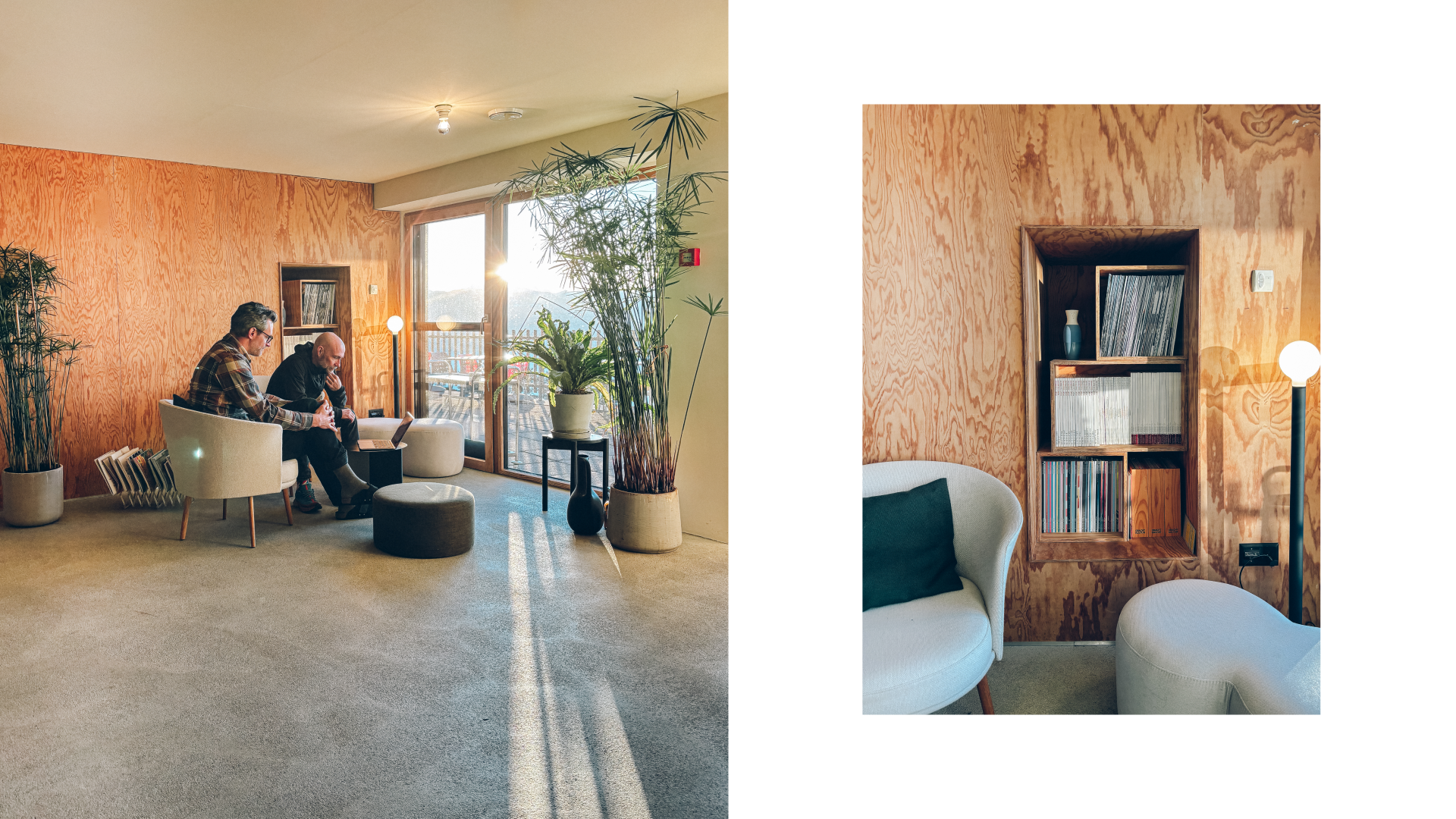

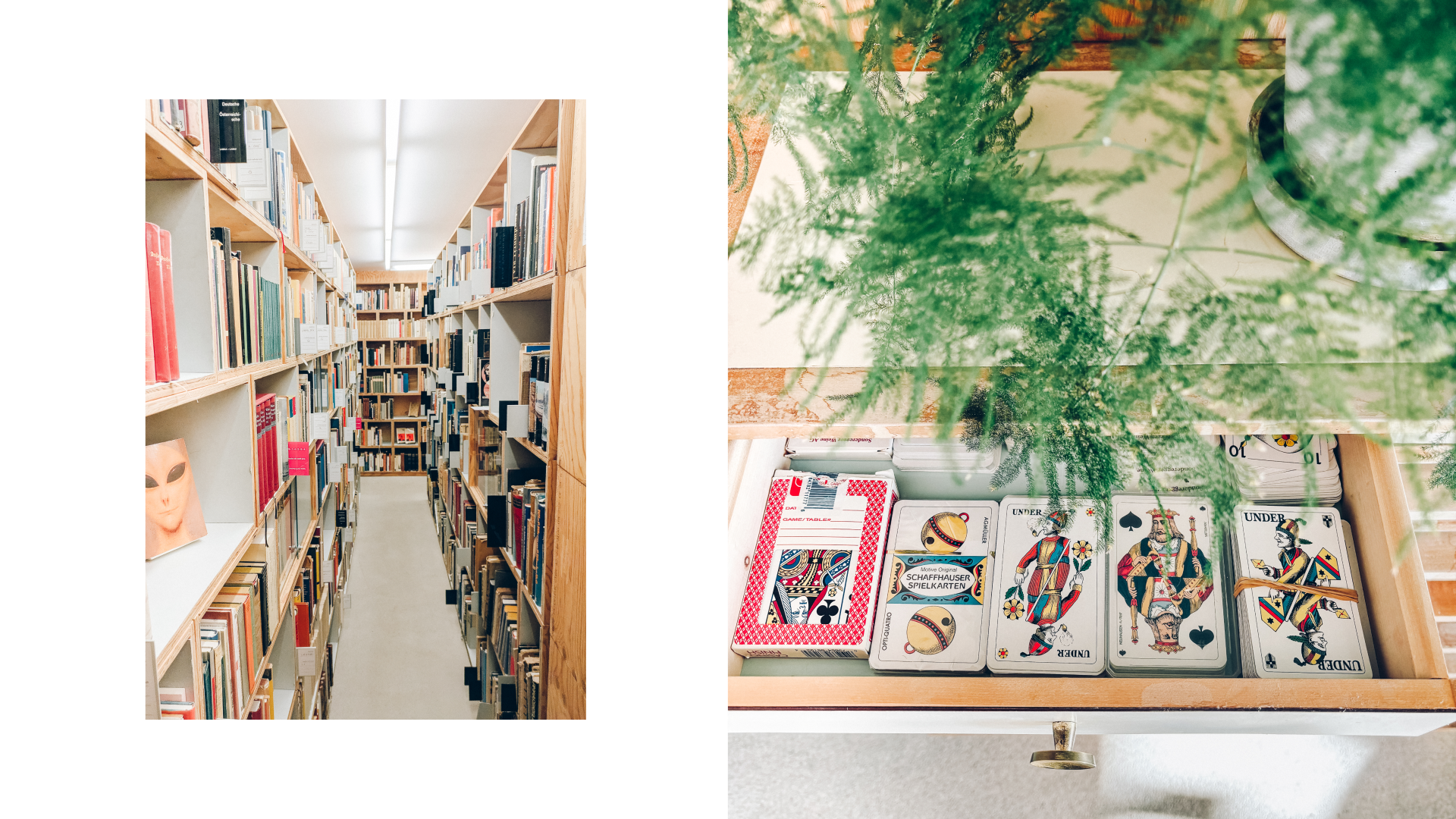
An opening. Or: Open Space
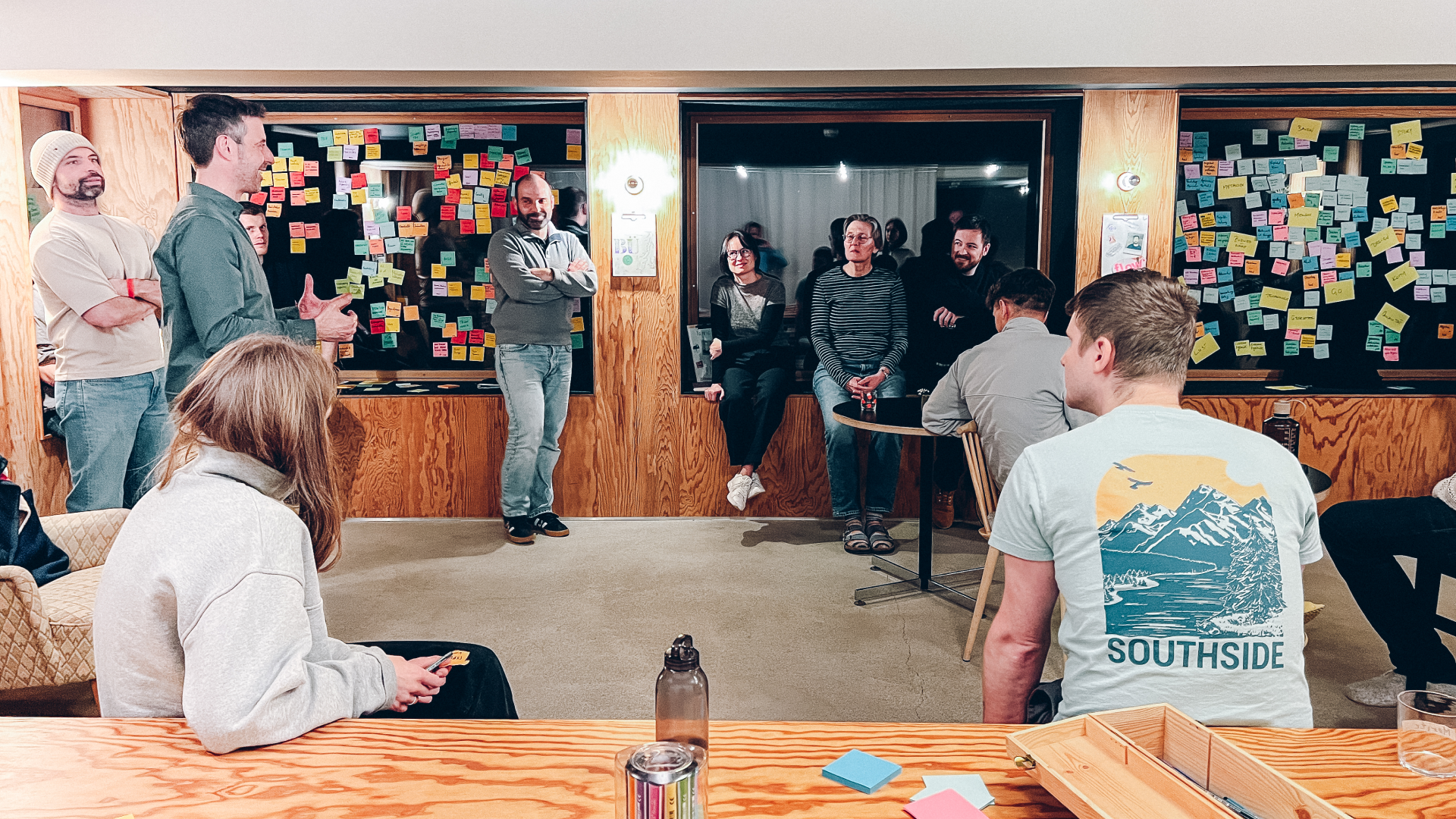
We gathered in an open space format. No fixed program. No predetermined dramaturgy. Just a framework that held the space for us. So that topics could emerge. From the moment.
Design futuring was not just an empty phrase. It was a question: What methods will we need tomorrow? Which ones do we need to un(!!)learn? Which ones can we develop further together?
Between quirky books, long conversations, and colorful Post-its, it became clear what moves us. Many voices. Different perspectives. And a shared willingness to take responsibility for what we create next.

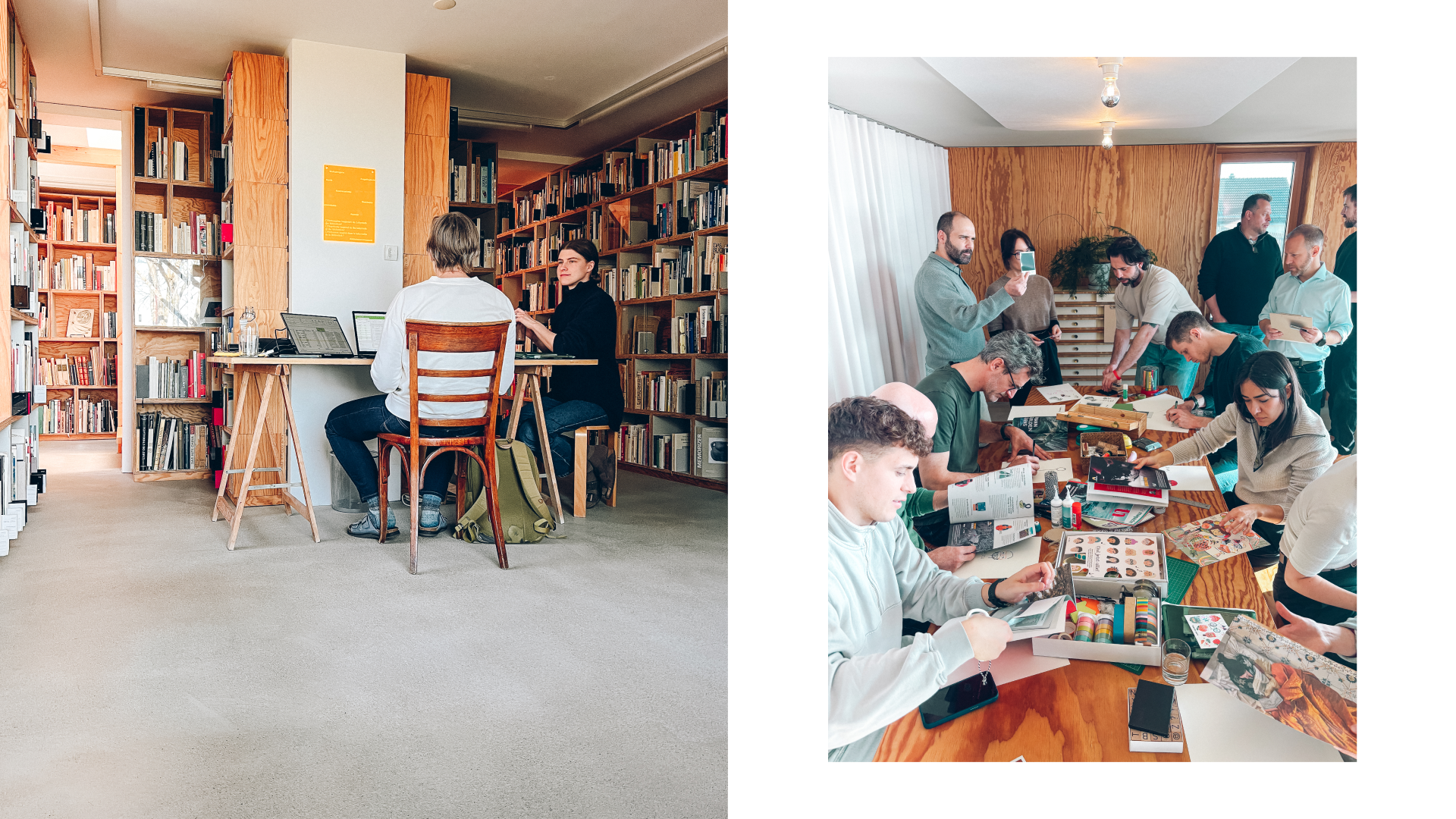

Looking at growth holistically
The focus was on the concept of growth. Not as a KPI or target, but as a development process. Using the four-quadrant model, we looked at “growth” from different angles:
Internal – individual: What motivates me? How am I growing?
External – individual: What do I show, how do I act? What is visible on the surface?
Internal – collective: What culture sustains us? How are we intertwined?
External – collective: What structures support growth?
This integral perspective helped us to see connections more clearly. Growth is not just structural. Not just cultural. Not just personal. It is always all of these things at once.

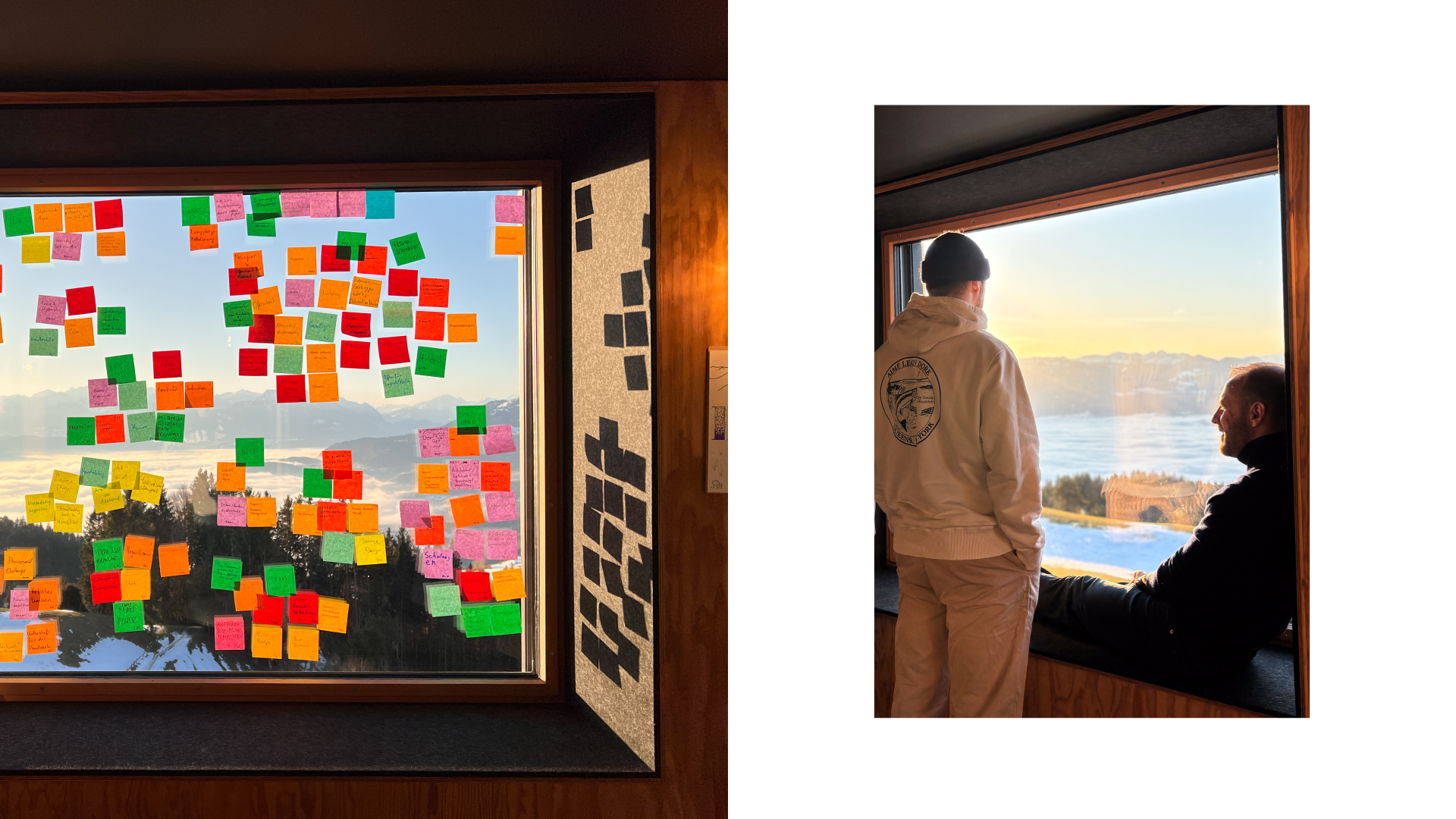
Between work and being
Beyond all the Post-its: culinary delights. Walks. And one night, the Northern Lights. These moments create connections. They make it clear that we are on this journey together. That every perspective counts. And that we are responsible for each other and for our shared direction. When people consciously enter into a shared process, the result is greater than the sum of its parts.

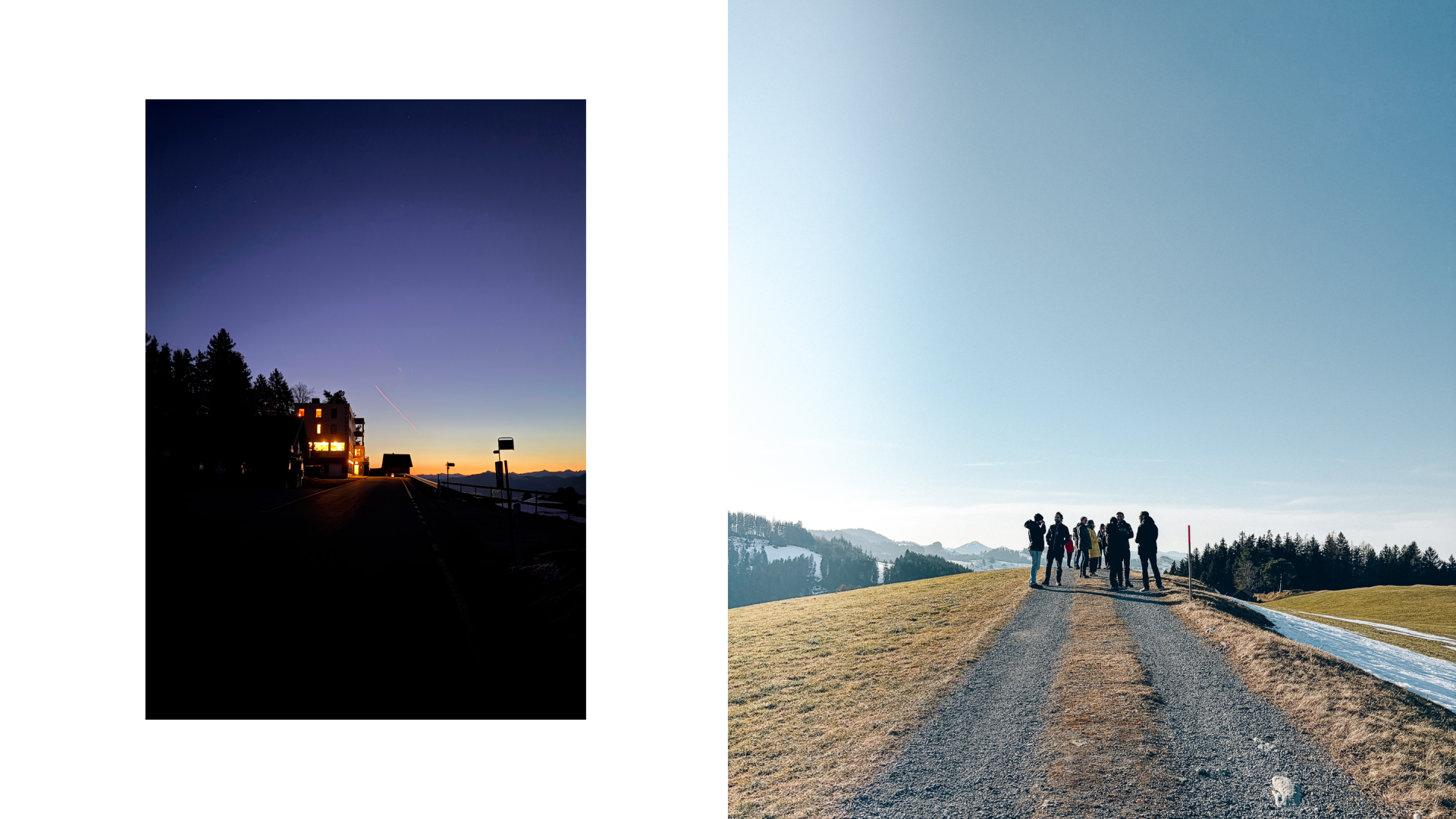

Interim use as an attitude
The location made it clear to us once again: interim use is more than just a concept. It is an attitude. Spaces are there. People are there. Structures are there. Meaning arises from action. This is exactly how we understand our work: we create spaces for exchange, clarity, and development. We bring voices together. And we shape the future—not abstractly, but concretely, collaboratively, and consciously.
The offsite strengthened us as a team. And it gave us clarity on how we want to continue to grow.
In the space between.
Together.
Thank you, Claudia, for your keen sense of what makes a space good. Yes, sometimes you need a different environment to discover yourself.