Campaign planning made simple: From brief to proof with Argus



In this article, Jan Schultheiss at foryouandyourcustomers explains how Argus turns a campaign brief into a planned campaign in about a minute, straight from your STEP master data. Argus checks whether the assortment is campaign-ready, reads what the season asks for, finds the gaps and names who can fill them. Every figure it shows opens the record it came from. Argus won the Stibo Systems InnovAIte Partner Hackathon 2026 and is now open for pilots on your own data.
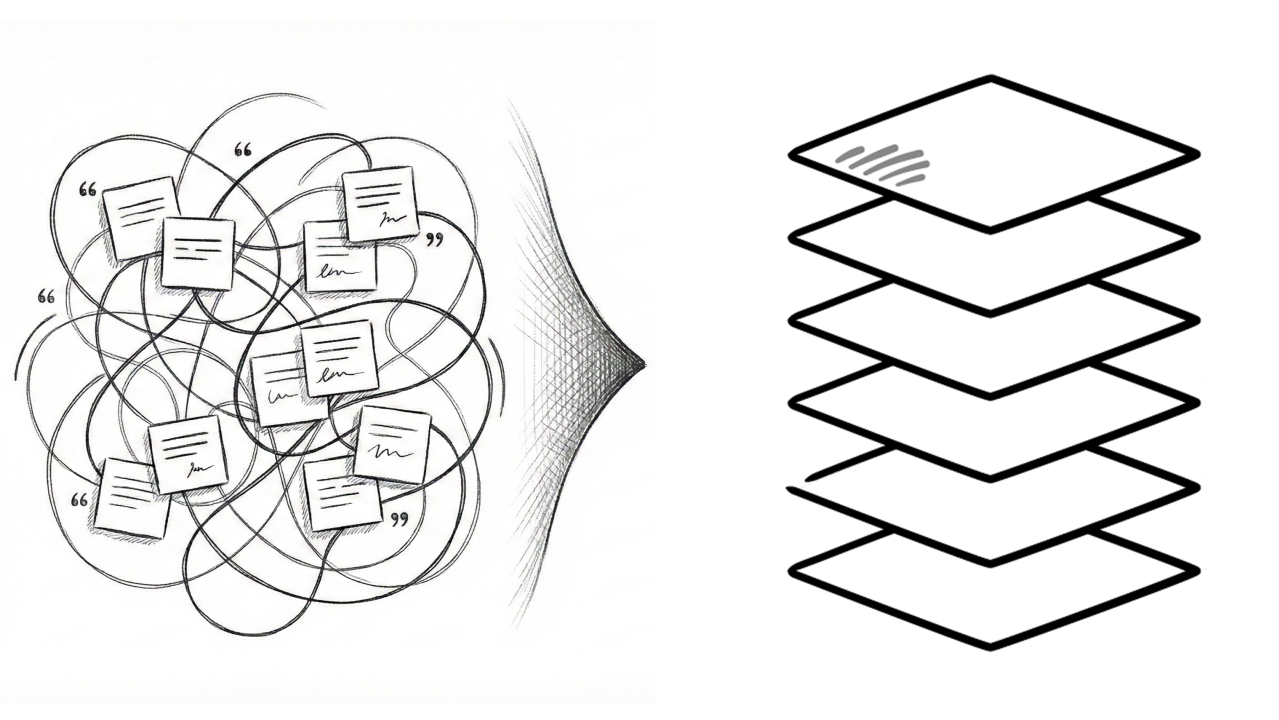
A campaign starts with a brief: a name, a season, a region, a target group, a few categories. Turning that brief into a plan usually takes weeks. Product data sits in one place, supplier terms in another, sales history in a third. By the time the plan is ready, nobody can say with certainty where its figures came from.
The data to answer these questions already exists. In most retail organisations it lives in STEP: products, classifications, suppliers, terms. What has been missing is a way to ask it a campaign question and get an answer you can check.


Meet Argus
See Argus at work: in a few minutes, this videos shows how a brief becomes a planned campaign and how every figure leads back to its source.
Video: Argus 120s Lets Talk
Caption: Argus plans a seasonal campaign on STEP master data, from brief to proof.Argus is a planning agent for Campaign Managers. It is named after Argus Panoptes, the hundred-eyed watchman of Greek myth who saw everything and guarded what was not to be seen. Both halves of that myth describe the product: Argus finds what matters in your data, and it shows its sources for everything it says.
You do not need to write prompts. Argus asks five questions: the campaign's name, the timeframe, the region, the target group and the categories. It reads each answer back before it moves on. Then it plans.
Four questions, one planned campaign
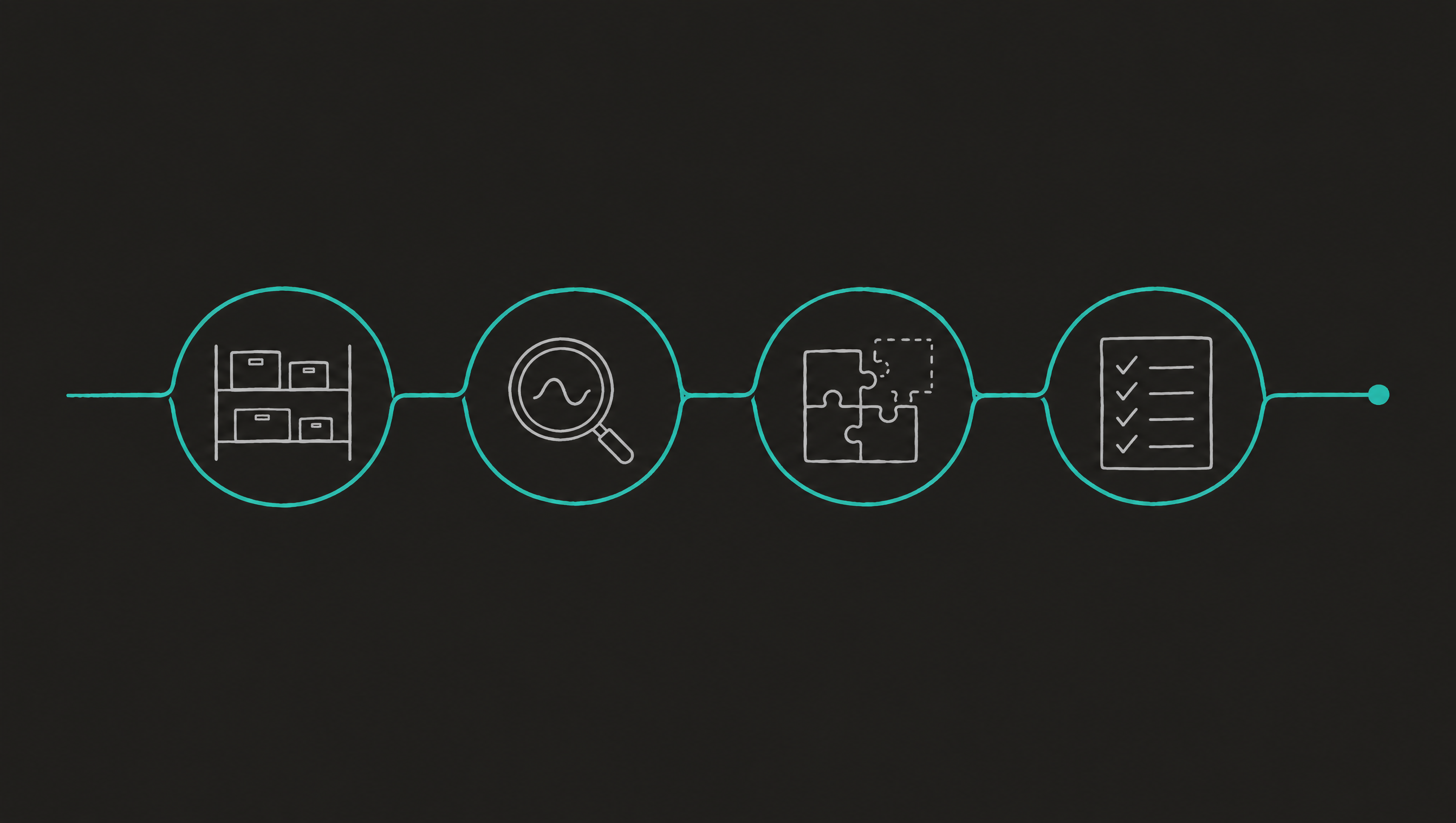
Argus works through four stages in a fixed order. Each stage answers one question a Campaign Manager would ask anyway:
Assortment: Is the assortment campaign-ready? Argus checks which products are in scope, which need content repairs and which segments have not sold at all.
Market: What does the season ask for? Argus collects demand signals from your own order history, from web research and from the GS1 product classification, and keeps the three apart.
Gaps: What is missing, and who can supply it? Argus ranks the opportunities and checks every proposed supplier against line of business, delivery region and terms on record before it suggests them.
Actions: What should happen now? What Argus cannot close from the data, it hands to Purchasing, Product Content, Marketing or Category Management as a task, with the evidence attached.
The result is a planned campaign, not a draft: scope, product selection, demand signals, gaps with a way to fill them, and the follow-up tasks. It takes about a minute.

Every figure carries its source
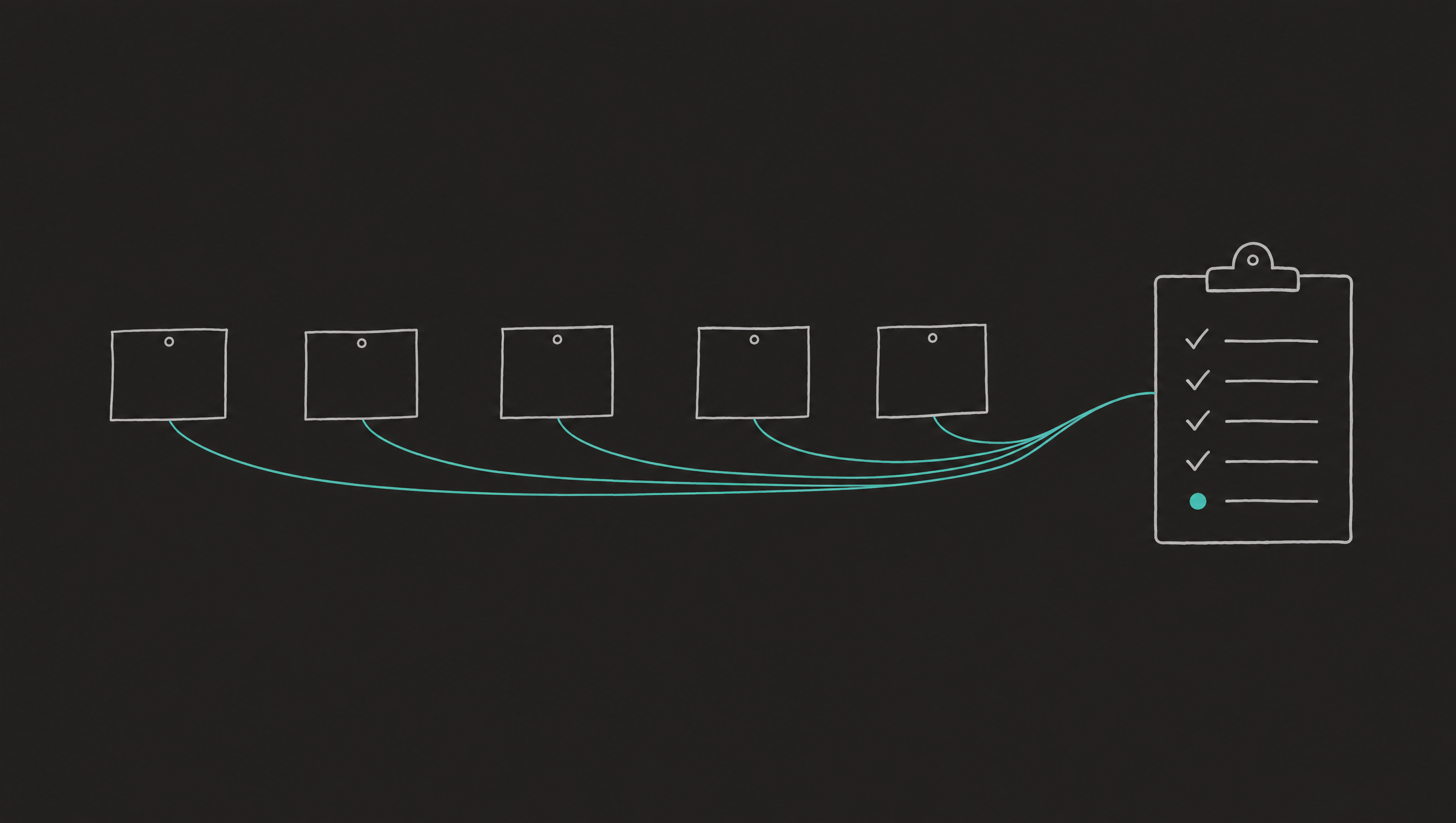
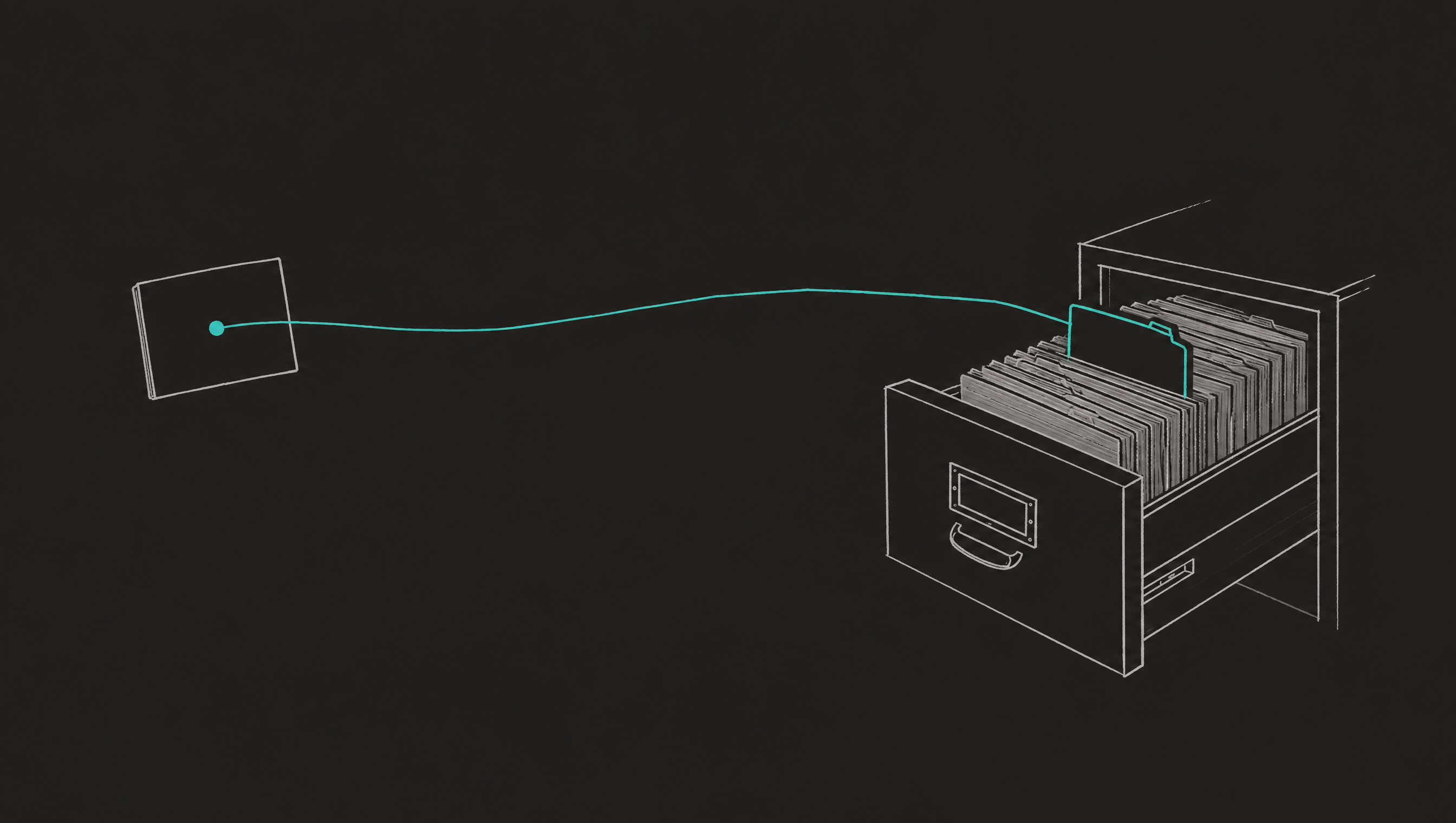
A plan is only as good as the trust people place in it. That is why Argus is built around provenance. Click any figure and it opens the record it came from: the STEP object and attribute, or the web page and the date it was read. Values Argus derives are marked as derived, so you always know which is which.
"The model decides what to ask. The tools decide what is true."
— Marcel Rossi, MDM Expert and Consultant foryouandyourcustomers Baar
Three principles keep the plan honest:
It refuses what the data cannot support. When a question goes beyond what the data holds, Argus says so and names what would be needed to answer it.
External content is data, never an instruction. Retailer pages and community posts are screened. Text that tries to steer Argus is quarantined, quoted and left out of every count.
It reads, it does not write. Argus never changes your master data. Decisions stay with the people who own them.

·
Make, Watch, Analyze: the whole campaign
Planning is the first step. Argus stays with the campaign for its whole lifecycle:
Make: from the brief to the planned campaign.
Watch: while the campaign runs, every day's figures against the baseline your order history predicts.
Analyze: after the campaign, a report on what each opportunity delivered, which tasks are still open and what your data model needs next.
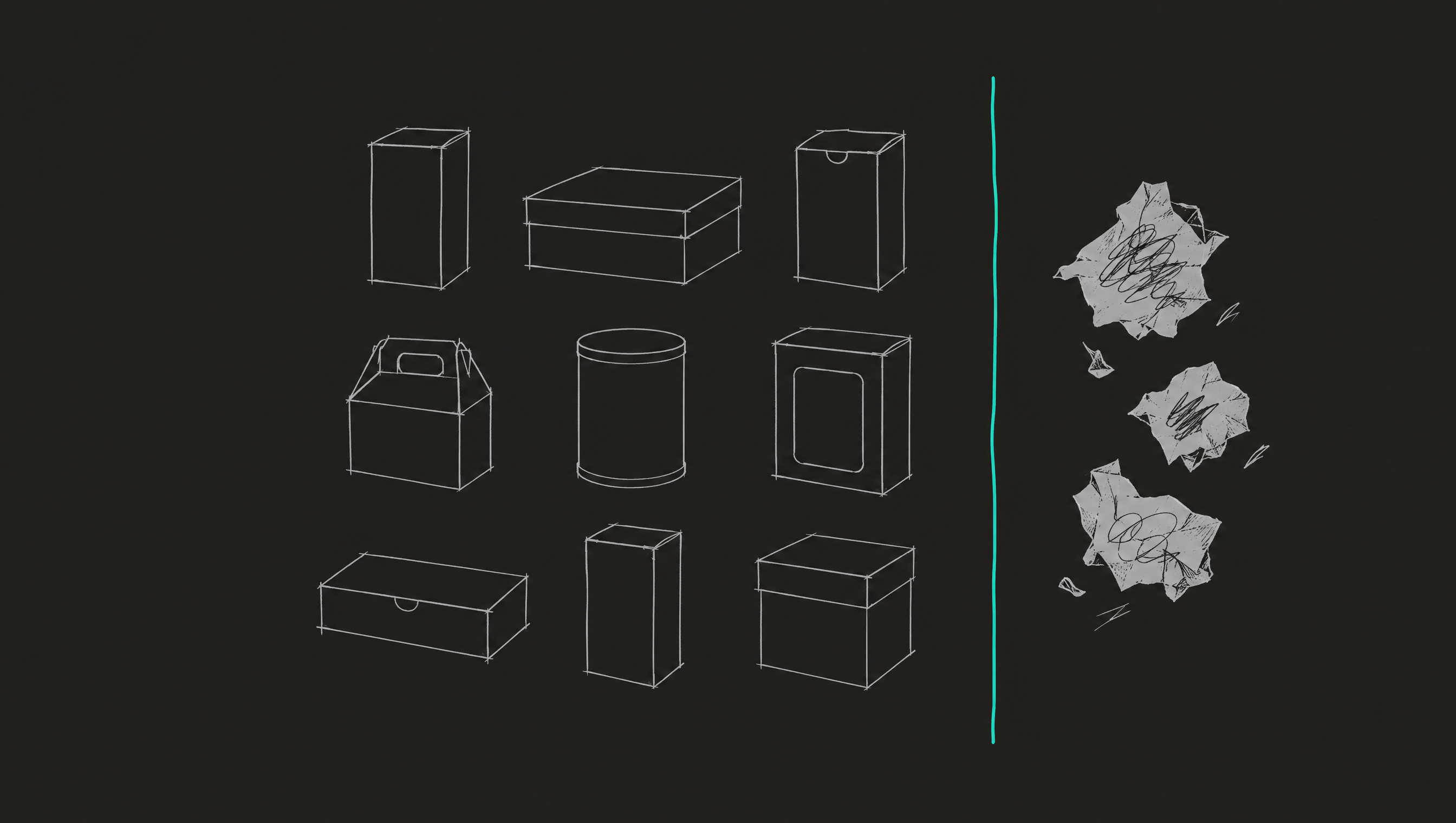
That last point closes the loop. Every campaign shows where product data is thin, and Argus turns those findings into concrete recommendations for your master data.

Built on trusted master data
Argus reads your data through the Stibo Systems Consumer MCP Server, read-only. It combines product, classification and supplier domains in one question. That is the difference between an assistant that guesses and an agent that knows.
Argus was built by foryouandyourcustomers, Stibo Systems Platinum Partner, and won the Stibo Systems InnovAIte Partner Hackathon 2026. Personal customer data never reaches the model; order history is used in aggregate only.
What a pilot looks like
We start where your next campaign starts:
Scoping: together we choose one real upcoming campaign and the categories it covers.
Connection: Argus connects read-only to your Consumer MCP Server. Nothing in STEP changes.
First plan: your Campaign Manager writes the brief, Argus plans, your team checks every figure against its source.
Review: we look at the plan, the refusals and the data findings with you and decide on the next step.



Dive deep into our expertise:
Related Articles